Currency
Have a question? Speak to one of our experts on 0800 0886099

OX Speedskim ST 1200mm Plastering Rule Review
17
Feb
Trying to get a smoother finish on your plastering jobs, but not keen on spending years perfecting your trowel technique? We’ve taken a good look at the OX Speedskim Semi Flexible Rule, and honestly, it’s a pretty smart choice for both DIY folks and seasoned pros.
This 1200mm tool is built with a nylon blade and an aluminium handle. It weighs about 1.5 kg, and the semi-flexible blade helps you spread plaster more evenly over surfaces—handy if you’re after a cleaner finish.
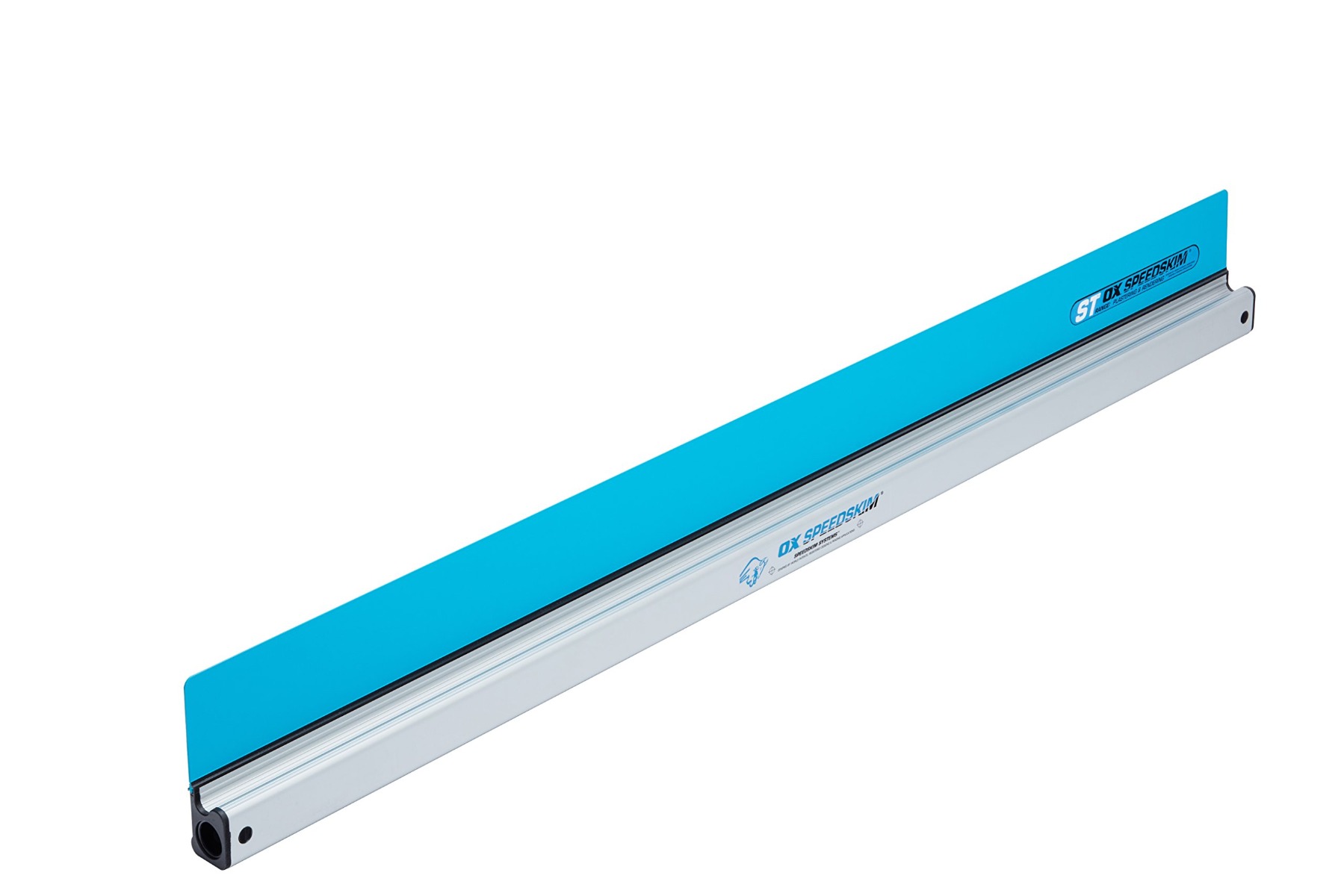
Plenty of buyers say it saves time and gives better coverage. The two-handed design really helps with weight and pressure, making it easier to control. If you’re new to plastering, you’ll probably notice an improvement compared to using a standard trowel.
Some folks do mention there’s a bit of a learning curve, even for those used to old-school tools. A few recommend a longer version if you’re working on big walls. The flexible blade is great for finishing, but it’s not always the best for every stage of plastering.
The groove for your fingers is a thoughtful touch. It’s comfortable to hold, and you can use it straight out of the box—no fiddly setup required.
Bottom Line
If you’re looking to get decent plastering results without years of trial and error, the OX Speedskim is worth a look.
The semi-flexible blade and manageable size make it accessible for beginners, but it’s still useful for those with more experience.
Click here to pick up the OX Speedskim and see if it improves your plastering game!
Overview: OX Speedskim Semi Flexible Plastering Rule - ST 1200mm
This tool from OX Tools is 1200mm long, combining a nylon blade with an aluminium handle. The semi-flexible blade helps smooth plaster on walls and ceilings, especially during finishing.
Customers rate this Speedskim at 4.7 out of 5 stars from over 1,800 reviews, which is a strong endorsement. It weighs 1.5 kg and uses metric measurements. You get a single piece—no extra parts or batteries.
The multi-colour design and solid handle placement give decent control. At just over a metre, it’s big enough to cover larger areas quickly. The main catch? Some users say the weight can get tiring if you’re working for long stretches.
Enhanced Plastering Efficiency
The semi-flexible design really does speed things up compared to traditional trowels. Users mention the 1200mm length lets them cover more ground faster, which is great if you’re not a pro.
Because of the flexibility, it’s easier to get a smooth finish—even if you haven’t spent years perfecting your technique. Some plasterers admit there’s a bit of a learning curve, but it helps make up for not having a perfectly worn-in trowel.
The 1200mm size is handy for small and mid-sized areas, but if you’re taking on whole walls, users suggest looking at a longer version. Using both hands helps keep the pressure and weight even, leading to better results.
Semi Flexible Blade Performance
The nylon blade finds a nice middle ground between stiff and flexible. The semi-flexible design lets you follow wall contours but still spread plaster evenly. Users generally like how the blade bends just enough to work over minor bumps without folding under pressure.
The 1200mm length gives good coverage for bigger jobs, so you can get more done in less time. Still, the flexibility means it’s not quite as good as a rigid straightedge for perfectly flat finishes on rougher surfaces.
The blade’s flex isn’t limitless. Some reviewers say getting a super-smooth finish takes a steady hand—push too hard and you might get some waviness. The nylon holds up well for most plastering, but heavy use will eventually wear it down.
Ergonomic Aluminium Handle
The handle’s aluminium construction keeps the tool light but sturdy. That’s important if you’re working on big walls and don’t want your arms to give out halfway through.
Users like how the aluminium handle balances the long blade. The grip feels solid, so you stay in control. At 1.5 kg total weight, it’s lighter than some alternatives, which helps.
The aluminium doesn’t rust and handles water splashes just fine. On the downside, a few people wish it had a softer grip—rubberised handles on pricier models can be a bit more comfortable.
Optimised for Large Surface Coverage
The 1200mm length is the main draw for bigger jobs. With that reach, you make fewer passes, so the work moves along much faster.
Users say the size lets them cover more wall in less time than with shorter tools. It’s ideal for full wall skimming where consistent coverage is key.
Key benefits include:
- Covers wide areas without constant repositioning
- Fewer strokes needed overall
- Works well on standard-sized walls
But, the bigger size can feel clumsy in smaller rooms or tight corners. Some users would go even longer for huge walls, while others think 1200mm is just right for smaller spaces—depends on your project, really.
Durability and Build Quality
The Speedskim’s nylon blade and aluminium handle keep it light at 1.5 kg but sturdy enough for most plastering tasks.
The semi-flexible design holds up for regular use, though the nylon might not be ideal for really heavy-duty jobs. The flexibility is there for smooth finishing, but it’s not as tough as a fully rigid, all-metal tool.
Key Construction Details:
- Blade Material: Nylon
- Handle: Aluminium
- Weight: 1.5 kg
At 1200mm, it covers a lot of ground without being unwieldy. Most users say it keeps its shape project after project, though the flexible build means it’s best for finishing, not scraping off old plaster. The finger groove is a helpful detail for grip and comfort.
Versatility for Different Skill Levels
This plastering rule suits both beginners and pros. The semi-flexible blade is forgiving if you’re learning, since it won’t gouge the plaster like a rigid tool might. That flexibility helps you get a smoother finish, even if your technique isn’t perfect.
Pros will appreciate the 1200mm reach for bigger walls and the control for more detailed work. It balances flex and rigidity pretty well, so you can use it for different types of plaster and various methods.
Still, if you’re brand new, you’ll need some practice to get the pressure right. And if you’re a pro who likes ultra-rigid rules, you might find this one a bit too bendy for your taste.
Pros and Cons
Pros
The Speedskim is a hit with beginners and DIYers. It makes plastering much easier to pick up compared to traditional trowels, which can take ages to master. People like that it helps them get a smooth finish without needing pro-level skills.
The semi-flexible design means you can cover large areas quickly. On bigger walls, users find they work faster and more efficiently than with standard tools. The 1200mm length gives plenty of reach but isn’t too much to handle.
The groove for your fingers is a nice touch, letting you use both hands comfortably. That helps keep your finish consistent. Even some longtime tradespeople were surprised by how much they liked it after giving it a shot.
Cons
The 1200mm size is great for big walls but can feel bulky for small repairs. If you’re working in tight spots, a shorter version is probably a better fit.
User Experience Insights
People at all skill levels seem to get on well with this tool for plastering. Beginners, in particular, like how the 1200mm length lets them cover more ground quickly and get decent results without a ton of practice. The semi-flexible blade makes smoothing easier than with a regular trowel.
Some experienced plasterers say it took a bit of time to adjust their technique. A few users feel the 1200mm is ideal for smaller projects, but if you’re doing full walls, you might want to size up. The finger groove gets a thumbs-up for comfort.
Not everyone agrees about the flexibility. Most think it helps get a good finish, but a handful wonder if it’s better for smoothing rather than applying the first coat. Guess it depends on your style.
Customer Reviews
Buyers have generally shared positive feedback about this plastering tool. Quite a few people mentioned how quickly it showed up, and honestly, most folks seemed happy with how it performed on their projects.
Some reviewers pointed out the Speedskim is a real help for those just getting into plastering. The 1200mm size covers a fair bit, but a couple of people suggested grabbing a longer version if you’re planning to skim an entire wall. A handful of experienced plasterers said it took a bit of getting used to, especially if you’re skipping the pole attachment.
The flexible blade sparked mixed reactions. Most beginners liked how it made a smooth finish possible without tons of trowel practice. Still, at least one user wondered if the flexibility would hold up for big, flat surfaces—maybe not everyone’s cup of tea.
Complaints? We didn’t see many. Most customers just said it’s solid quality and does what it’s supposed to. It seems to shine most for smaller jobs and for DIYers picking up new plastering skills.
Conclusion
After reading through user feedback on this plastering tool, it’s clear it works for both beginners and experienced tradespeople. The Speedskim gives decent results and helps DIYers get smoother finishes than you’d usually see with just a standard trowel. Quite a few users pointed out it speeds things up and makes bigger jobs less of a hassle.
The 1200mm size seems to fit small to medium jobs well, though honestly, some folks wished they’d gone for a longer option for tackling full walls. There’s a bit of a learning curve—some people needed a little time to figure out the right technique. One reviewer also wondered if the flexible blade is really ideal for the first coat.
Overall, this tool looks like good value for anyone learning plastering or taking on the odd home project. It’s not a substitute for years of experience, but it definitely helps close the gap on those DIY jobs.