Currency
Have a question? Speak to one of our experts on 0800 0886099

Refina Harling Trowel 10in 232510 Review
28
May
Looking for a specialised tool to help with roughcast and pebble dash applications? The Refina Harling Trowel might be what you need for your rendering projects.
This 10-inch trowel is built with stainless steel, so you don’t have to worry about rust creeping in over time. It's meant for scooping pebbles and flinging them onto mortar—classic dashed finish, if that’s your thing.
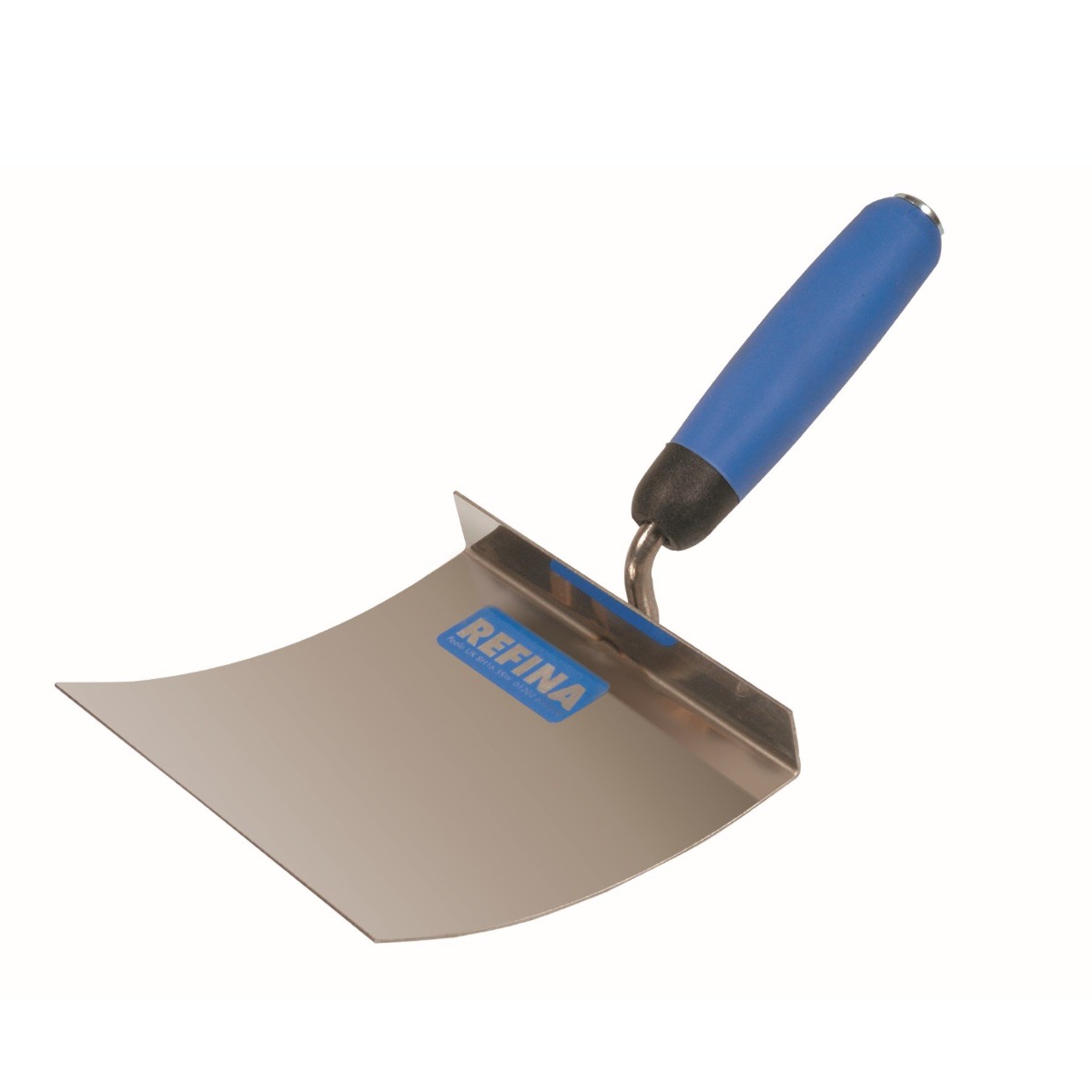
The ergonomic grip is a nice touch for longer jobs. Besides harling, this trowel can handle keying, scraping renders, scoring backing coats, and even tidying up corners and surfaces.
Customer feedback? Mixed bag—average sits around 3.7 out of 5 stars. Some folks really rate the stainless steel build, others have had a few gripes about how it performs on different jobs.
Click here to purchase the Refina Harling Trowel and get started on your rendering projects.
Overview of the Refina Harling Trowel 10" (250mm)
This tool is designed for that specific job of applying roughcast and pebble dash finishes to exterior walls. The harling trowel lets you scoop pebbles and launch them onto mortar for that distinctive textured look you see on a lot of rendered buildings.
The 10-inch stainless steel blade is built to resist rust, which is pretty important when you’re dealing with wet materials and unpredictable weather. The ergonomic grip design tries to keep hand fatigue at bay, especially during those repetitive motions.
It’s not just for pebble dashing—this trowel is handy for keying, scraping, scoring, and cleaning up where bigger tools can’t reach. Reviews are a bit all over the place, averaging 3.7 out of 5 from 13 users. Some are happy with it, others wish it held up better or gave more bang for their buck.
The fixed, non-foldable design means you’ll want to make sure there’s space for it in your kit.
Stainless Steel Construction
The blade and handle are both made from stainless steel, so you’re getting a tool that’s tough enough for regular use. You won’t have to stress about rust, even if you forget to dry it off after a rainy day on site.
Stainless steel is a solid choice for resisting the wear and tear of harling work. It’s easy to store too, since you don’t need to fuss over keeping it bone dry between jobs.
The all-metal construction does give it a bit more heft than plastic alternatives. Sure, it gets heavy after a while, but honestly, the weight helps when you’re hurling pebbles at the wall.
Ergonomic Grip and Handling
The handle design is all about comfort for those longer stints. The ergonomic grip aims to keep your hand from cramping up when you’re scooping and throwing. Since this trowel isn’t exactly feather-light, having a decent grip really matters for control during repetitive use.
Handle construction:
- Made from stainless steel
- Non-foldable design for stability
- Ergonomic grip type
The sturdy build means you’re not likely to snap the handle mid-job. That said, the all-metal handle does get cold in winter—just something to keep in mind. The weight distribution feels pretty well thought out for the kind of throwing you’ll be doing.
Optimal Size and Weight
The 10-inch blade is a handy size for most harling work. At 250mm, it’s got enough surface area to get the job done without feeling clumsy.
Stainless steel through both the blade and handle means it’s heavier than some plastic-handled options. Depending on the size of your project, you might notice your arm getting tired after a while, but the extra weight actually helps when you’re throwing roughcast materials.
It’s a single-piece steel tool, so it doesn’t take up a ton of space. Should fit in a standard toolbox, and it’s easy enough to haul around from job to job.
Versatility for Rendering Applications
This trowel isn’t just for pebble dash. You can use it for keying and scraping renders, prepping surfaces, and scoring backing coats before finishing up.
It’s also good for cleaning up in corners where bigger tools just can’t reach. And if you’re doing roughcast finishes, it’s right at home there too.
Stainless steel means you can use it across different rendering jobs without fussing over rust. At 10 inches, it feels a bit big for tight spaces or tiny projects, but that’s the trade-off for coverage.
Durability and Maintenance
The stainless steel build stands up well to rust and corrosion, so you’re not likely to see the blade falling apart after a few wet jobs.
Key durability features:
- Rust-free stainless steel blade
- Stainless steel handle that resists wear
- Solid build quality noted by users
Maintenance is straightforward—just rinse off any plaster residue after use. Stainless steel wipes clean easily, no fancy products needed.
Some users like the heft, which hints at sturdy construction. Still, with a 3.7 out of 5 average, not everyone’s thrilled about long-term performance. A bit of basic cleaning and decent storage should keep it going for regular jobs.
Safety Considerations
This tool’s all about throwing stuff at walls, so, yeah, there are a few safety things to keep in mind. The stainless steel build and classic design mean you’ll want to take some basic precautions.
Eye Protection Guidance
Definitely wear eye protection when using this trowel. Pebbles and bits of mortar can ping back at you, and eye injuries aren’t worth the risk.
Small stones and mortar bits have a mind of their own—standard safety glasses or goggles will keep your eyes safe from flying debris.
Safe Handling Practices
Even with an ergonomic grip, keep a firm hold on the trowel. The repetitive throwing motion can wear your wrist out, so take breaks if it gets too much.
Store the tool clean and dry, even though it’s stainless steel—just good practice. A rusty tool is never fun to handle.
Make sure no one’s standing in the firing line when you’re working. Clear the area of anything you might trip over, and keep the work zone tidy.
This trowel isn’t for digging, but if you’re doing any related groundwork, check for underground utilities just to be safe. Store it somewhere secure so no one accidentally gets jabbed by the blade.
Plus Points
This stainless steel trowel has a few things going for it. The rust-free construction means you’re not constantly worrying about corrosion. That’s a relief if your tools often end up in damp sheds or cluttered vans.
The build quality is solid. The weight feels right, not flimsy or cheap. You’re not going to bend it by accident.
Cleaning is a breeze—just wipe it down and you’re done. No fussing over rust spots or surface damage.
Customer Reviews
Most buyers seem to rate the harling trowel for its solid build. People like the weight and feel—always a plus for better control during application.
It’s pricier than some other options, but a lot of reviewers reckon the extra cost is justified by improved durability and performance. If you’re using it regularly, that matters.
Feedback leans positive. Some see it as a solid investment for regular use. Not everyone’s blown away, though—there are a few lukewarm opinions, but no widespread complaints that stand out.
Conclusion
The Harling Trowel from Refina does the job for roughcast and pebble dash work. With stainless steel, you’re not going to be fighting rust—honestly, that’s a relief if you’re always working with wet mixes.
It’s solid for scooping and throwing pebbles onto mortar, and it manages keying or scraping without any fuss. At this price, it’s a no-nonsense tool that covers the basics.