Currency
Have a question? Speak to one of our experts on 0800 0886099

Refina Square End 6" Wide Bucket Trowel Review
28
May
Looking for a specialised trowel to make material application and wall prep less of a hassle? We've been checking out the Refina Square End 6" Wide Bucket Trowel, which is clearly built with plastering and finishing jobs in mind.
This 6-inch tool sports a tapered stainless steel blade with a square end, plus a soft composite rubber handle. The blade's spot-welded to its bracket, so you'd expect it to hold up for regular use—at least in theory.
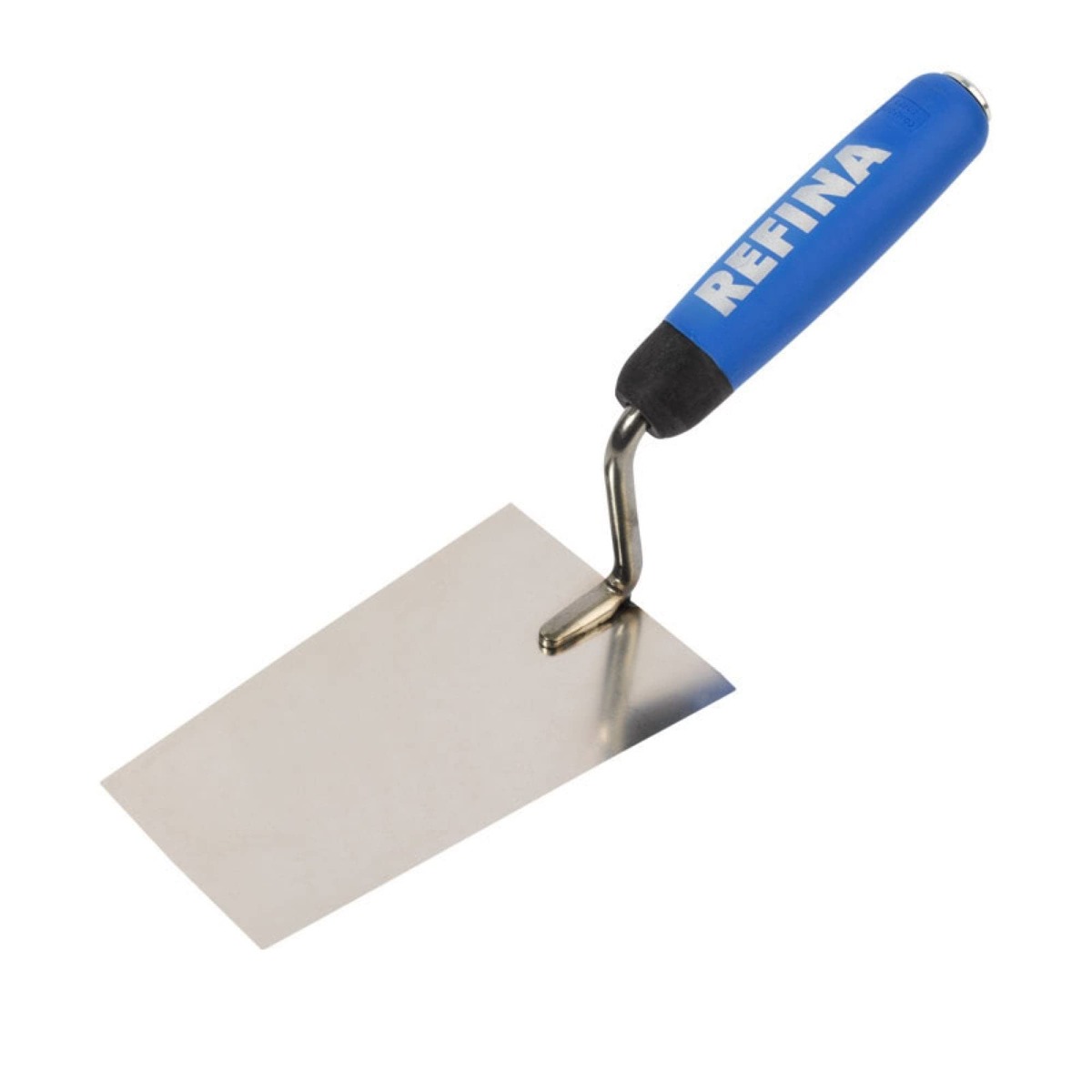
The trowel's made for scooping material and dabbing it onto walls, so plasterers and decorators will probably get the most out of it. The soft rubber grip is comfortable enough for longer sessions, though that's a bit subjective.
Customer reviews are all over the place, with an average rating of about 2.8 out of 5 stars. Some folks have flagged issues with quality or performance, so you might want to poke around for more opinions before deciding.
Bottom Line
If you’re after a bucket trowel for plastering, the Refina Square End could be worth a shot for your toolkit.
The stainless steel blade and rubber handle cover the basics for material application jobs.
Click here to purchase the Refina Bucket Trowel and see if it meets your needs.
Overview of the Refina Square End Bucket Trowel
This tool's geared towards tradespeople who need to move material from bucket to wall fast. The stainless steel blade is 6 inches, and the tapered design makes scooping plaster, mortar, or similar stuff a bit easier.
The blade attaches to a soft composite rubber handle with a spot-welded bracket. Some users have run into issues, though, as reflected in the 2.8 out of 5 stars average rating.
The square end is handy for dabbing and applying material onto vertical surfaces. But with reviews being so mixed, it’s fair to say this trowel might not check every box for everyone. The stainless steel construction does help resist rust, which is definitely a plus when you’re working with wet materials all day.
Stainless Steel Blade Design
The blade’s got a tapered stainless steel build, narrowing from the handle down to the square end. That shape comes in handy for scooping plaster or similar materials from a bucket and getting them onto a wall.
Stainless steel helps with rust and corrosion resistance, which is pretty important if you’re dealing with wet materials. The blade’s dimensions are 160x85/110mm because of the taper.
Worth mentioning: the blade’s spot welded to the handle bracket, and some users have had issues with the blade coming loose or even separating. That’s not great for long-term durability, honestly.
Tapered Square End for Precision Application
The blade narrows as it approaches the handle, which gives you a bit more control. This tapered design means it’s 160mm wide at the square end, narrowing to about 85mm at the handle.
Some users like the square end for corners and scooping out of buckets, and the taper does make it easier to apply and dab plaster without feeling clunky. But with an average rating of 2.8 out of 5, clearly not everyone’s convinced. The spot-welded bracket also gets a few side-eyes for not being as sturdy as it probably should be for precision work.
Soft Rubber Handle Comfort
The soft composite rubber handle gives a pretty decent grip. That material does help cut down on hand fatigue if you’re working for a while.
The handle works for scooping and dabbing, and the soft rubber coating is definitely better than bare metal, especially when your hands are wet or messy.
But let’s be honest: the tool is pretty compact at 6 inches. The handle’s comfy enough, but if you’ve got bigger hands, you might find the whole thing a bit too small. A few folks mentioned this in their reviews, and it seems like a fair point.
Ideal Uses for Plastering and DIY Tasks
This bucket trowel is good for scooping plaster, filler, or other materials from containers. The tapered blade lets you get into buckets and grab what you need without leaving much behind.
The square end design is useful for applying and dabbing material onto walls, especially for patching or working in tight corners where you want a bit more control.
The 6-inch size hits a middle ground—small enough for detail work, big enough to hold a reasonable amount of material.
Still, with the average rating hovering at 2.8 out of 5, some users have had concerns about durability and overall performance. If you’re planning to use it every day or for heavy-duty jobs, you might want to keep that in mind.
Ease of Cleaning and Maintenance
The stainless steel blade is easy to clean. Dried plaster wipes off the smooth surface without much hassle, and you don’t have to worry about rust.
The rubber handle does need a bit more attention—plaster can get stuck in the texture, so a thorough rinse is a good idea. The spot-welded bracket can collect bits of material too, but a quick brush usually does the trick.
Overall, maintenance isn’t a big deal. Rinse it with water after use, and you’re set. The stainless steel helps keep things simple compared to other materials.
Plus Points
Stainless steel blade stands up to rust and corrosion. The tapered square end works for scooping plaster and other materials from buckets.
The soft composite rubber handle is comfortable for application work. The spot welded bracket construction keeps the blade attached to the handle—at least when it holds up.
Best suited for:
- Scooping material from containers
- Applying compound to walls
- Dabbing techniques
The 6-inch size fits into most standard buckets without being awkward. That said, some buyers found it smaller than they’d hoped, and size complaints pop up a lot in reviews.
Conclusion
The square end bucket trowel is a no-nonsense choice for basic plastering tasks. With its stainless steel blade and a soft rubber handle, it’s got what you’d expect for the price. That tapered edge makes it pretty handy for scooping out material and getting it onto the wall—no fuss, just does the job.
If you’re just tackling the odd DIY project, this trowel might be fine. But if you’re a pro or you need something that’ll stand up to regular use, you might want to look around for alternatives that have a bit more love from customers. At 6 inches, it’s a decent size for general work, but it’s worth thinking about what matters most for your own projects.