Currency
Have a question? Speak to one of our experts on 0800 0886099

What are the Benefits of a Suspended Ceiling in Commercial Premises?
17
Feb
What are the Benefits of a Suspended Ceiling in Commercial Premises?
February 17, 2025
Suspended ceilings create an additional ceiling layer below the original structure, supported by a metal framework that holds ceiling tiles. These versatile installations have become increasingly popular in commercial buildings, from office blocks to leisure centres.

A suspended ceiling offers multiple benefits, including improved acoustics, easier access to building services, enhanced energy efficiency, and a more professional appearance in commercial spaces. Commercial buildings benefit greatly from these installations as they conceal unsightly pipes, wiring and ductwork while creating a cleaner, more polished environment.
Modern suspended ceilings can transform any commercial space with their adaptable design options and practical advantages. They provide building managers with simple access for maintenance while helping to reduce energy costs through improved insulation and below we look at some of the key advantages of such a system and remember ... we stock a great range of suspended ceiling tiles, insulation and fittings to help you get the job done right at a great price: checkout our range HERE!
Key Takeaways
- Suspended ceilings hide building services whilst improving room acoustics and appearance
- Installation reduces energy costs and provides easier maintenance access
- Modern ceiling systems offer flexible design options that enhance commercial spaces
Advantages of Sound Insulation
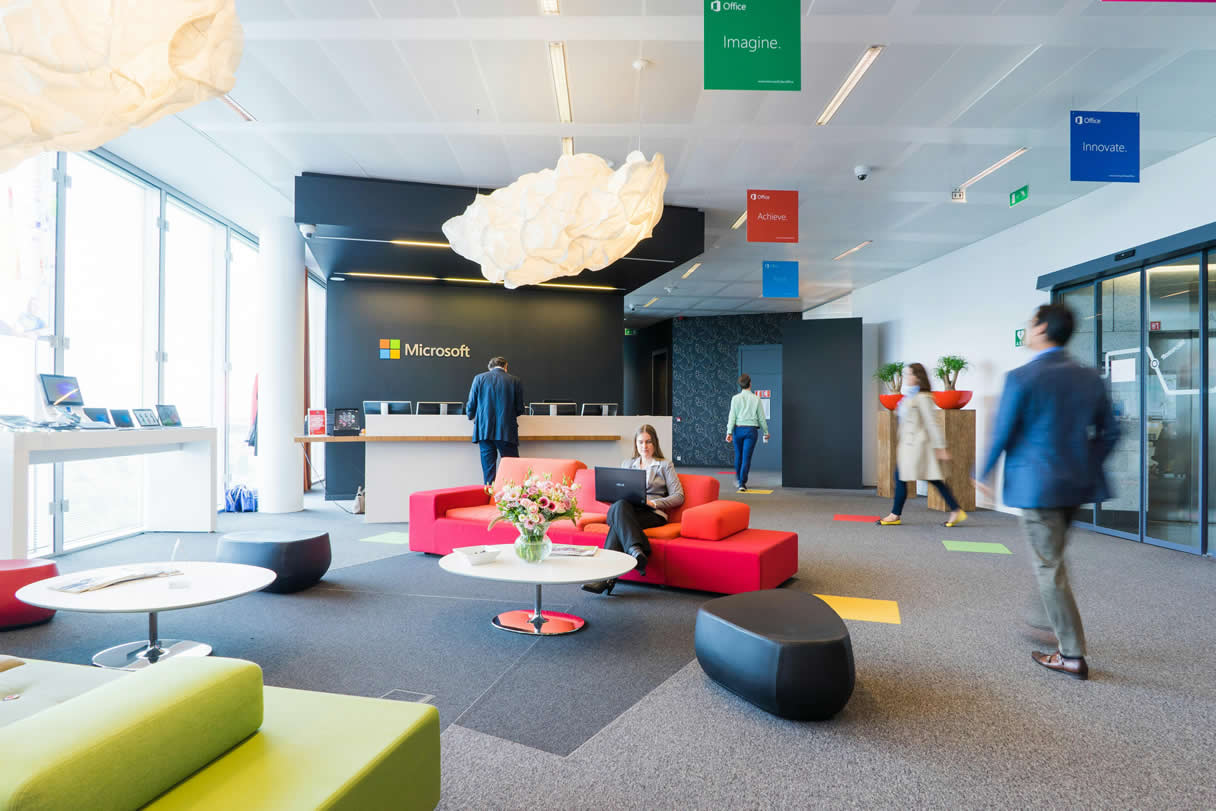
Sound insulating suspended ceilings create a more pleasant and productive commercial environment through effective acoustic management by utilising specialised ceiling tiles block and absorb sound waves to transform noisy spaces.
Enhanced Privacy
Sound insulation ratings measured in decibels indicate how effectively ceiling tiles prevent noise transmission between spaces. Higher-rated tiles provide better sound blocking capabilities for sensitive conversations.
Mineral fibre and plasterboard tiles are excellent choices for maintaining confidentiality in meeting rooms and private offices. These materials naturally absorb and dampen sound waves.
The ceiling void above the tiles can also be filled with additional acoustic insulation for enhanced sound blocking performance. This creates discrete zones where private discussions can occur without being overheard.
Noise Reduction for Productivity
Sound absorption properties significantly reduce echoes and reverberation in open-plan offices and large commercial spaces. This creates a more focused work environment.
The acoustic tiles help minimise distracting background noise like computer fans, phone conversations, and foot traffic. Employees can concentrate better on their tasks without constant audio interruptions.
Suspended ceilings with proper acoustic properties can reduce noise levels by 30+ decibels and always check the 'absorbance level' of a tile: Class A absorbtion means they are tested to absorb 90–100% of sound energy that hits them. This meaningful reduction helps prevent worker fatigue and stress caused by prolonged exposure to loud environments.
Energy Efficiency Improvements
Suspended ceilings offer significant improvements in energy costs through enhanced temperature control and smarter lighting integration. These design features create measurable reductions in heating, cooling, and electricity usage.
Heat Retention
Suspended ceiling systems create an insulating air pocket between the structural ceiling and the suspended tiles, which helps regulate room temperature more effectively.
Some advanced ceiling tiles contain Phase Change Materials (PCM) that absorb excess heat during warm periods and release it when temperatures drop.
This natural temperature regulation reduces the strain on heating and cooling systems, leading to lower energy consumption throughout the year.
Lighting Solutions Integration
Modern suspended ceiling tiles can reflect up to 90% of light back into the workspace, maximising natural and artificial light usage.
The modular design allows for easy installation of energy-efficient LED panels, which provide bright, natural-looking illumination whilst using minimal electricity.
The choice of ceiling panels affects both energy efficiency and lighting options. White or light-coloured tiles enhance light reflection, reducing the number of light fixtures needed to achieve optimal brightness levels.
Strategic placement of lighting units within the suspended ceiling grid helps eliminate dark spots and ensures even light distribution throughout the space.
Aesthetic and Design Flexibility
A suspended ceiling transforms commercial spaces by providing a polished, professional appearance with a sleek and modern look creating visual appeal while concealing structural elements above.
Customisable Layouts
Suspended ceilings can be adapted to any room configuration or size. The metal grid system allows for flexible tile placement to accommodate different lighting arrangements, ventilation systems, and other fixtures.
Design flexibility means businesses can create unique ceiling patterns and layouts to match their brand identity or interior style. The modular nature makes it simple to adjust the layout if needs change.
Commercial spaces often require specific lighting zones or acoustic treatments in different areas. The adaptable grid structure enables customised solutions for each section of the premises.
Variety of Materials and Finishes
The range of available ceiling tiles offers extensive design possibilities. Common options include:
- Mineral fibre tiles in white or coloured finishes
- Metal panels in aluminium or steel
- Wood-effect panels for a natural look
- Acoustic fabric panels
- Gypsum board tiles
Different materials and textures can be mixed to create visual interest or zone designation. Tile finishes range from matte to glossy, smooth to textured, allowing businesses to achieve their desired aesthetic.
The variety extends to grid colours and styles, with options like exposed or concealed systems to complement the chosen tiles.
Maintenance and Accessibility
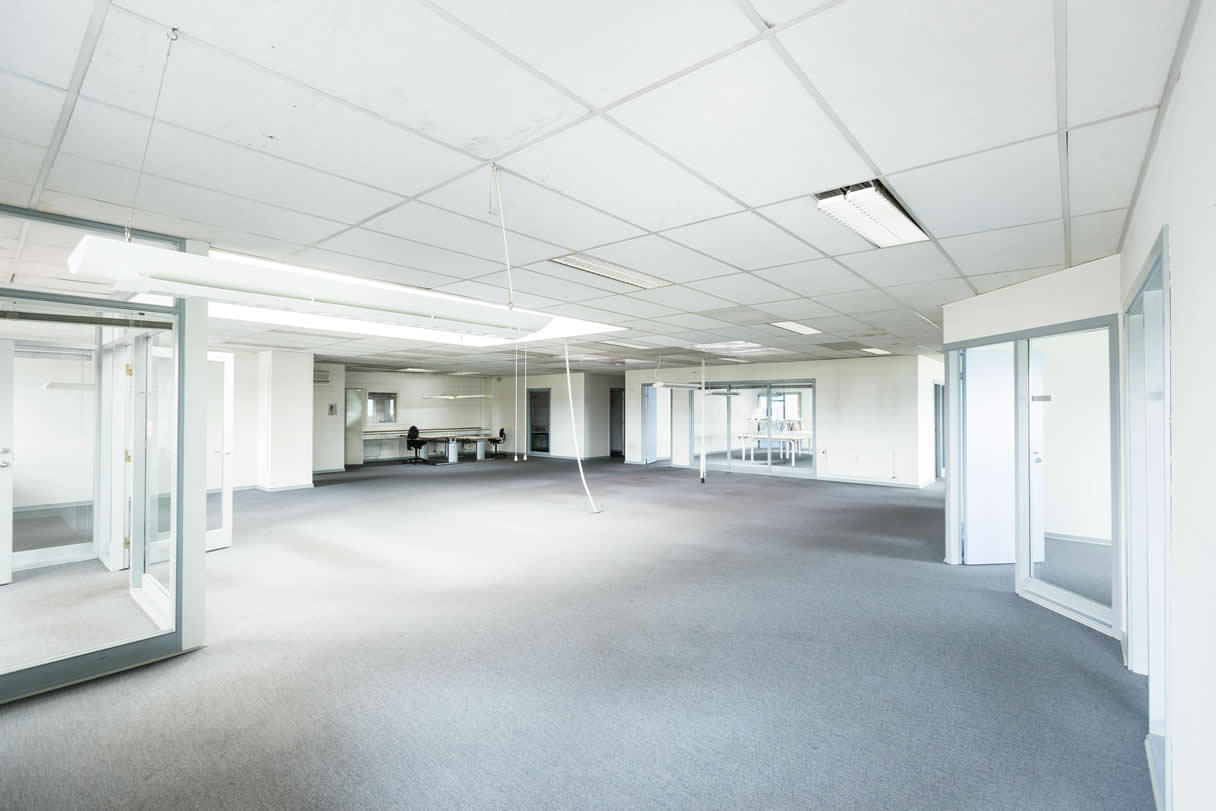
Suspended ceilings make building maintenance tasks simple and cost-effective through their modular design. The removable tiles create easy access points for repairs whilst allowing individual damaged tiles to be replaced without disrupting the entire ceiling.
Easy Access to Overhead Installations
Suspended ceiling systems provide quick access to vital building services like electrical wiring, plumbing pipes, and HVAC equipment. Maintenance staff can remove individual tiles to reach these components without needing structural modifications.
The grid framework supports the ceiling tiles securely whilst allowing them to be lifted out when needed. This design enables technicians to complete repairs and inspections efficiently.
Regular maintenance checks of building systems become much simpler with a suspended ceiling. Engineers can access different areas by removing relevant tiles rather than cutting into solid ceiling materials.
Simplified Repairs and Upgrades
Individual ceiling tiles can be replaced when they become damaged or stained. This targeted approach saves money compared to replacing entire ceiling sections.
The modular nature of suspended ceilings makes it easy to upgrade lighting, add new electrical points, or install additional ventilation. Technicians can work in the ceiling void without causing disruption below.
Building managers can maintain a professional appearance by quickly swapping out worn or discoloured tiles. The standardised tile sizes ensure perfect fits when installing replacements.
Health and Safety Compliance
Suspended ceilings play a vital role in meeting safety standards and protecting building occupants. These systems incorporate specific design features that help control fires and maintain clean air quality in commercial spaces.
Fire Resistance Features
Modern suspended ceiling systems include fire-resistant materials and components that help limit fire spread. The tiles and grid system create a protective barrier between floors.
Fire-rated ceiling tiles can withstand high temperatures for up to 60 minutes, giving people time to evacuate safely. Many systems include integrated fire detection sensors and sprinklers.
The void space above the suspended ceiling allows for proper placement of fire suppression systems. This setup ensures even coverage throughout the space.
Hazard Containment and Air Quality
Commercial buildings must maintain safe environments for occupants, and suspended ceilings help achieve this goal. The ceiling void contains and conceals potentially hazardous materials like asbestos in older buildings.
These systems improve air quality through:
- Dust reduction
- Better ventilation control
- Enhanced air circulation
- Filtered return air paths
The plenum space above the ceiling allows for proper routing of air handling systems. This design helps maintain consistent temperatures and reduces the spread of airborne contaminants.
Cost Effectiveness
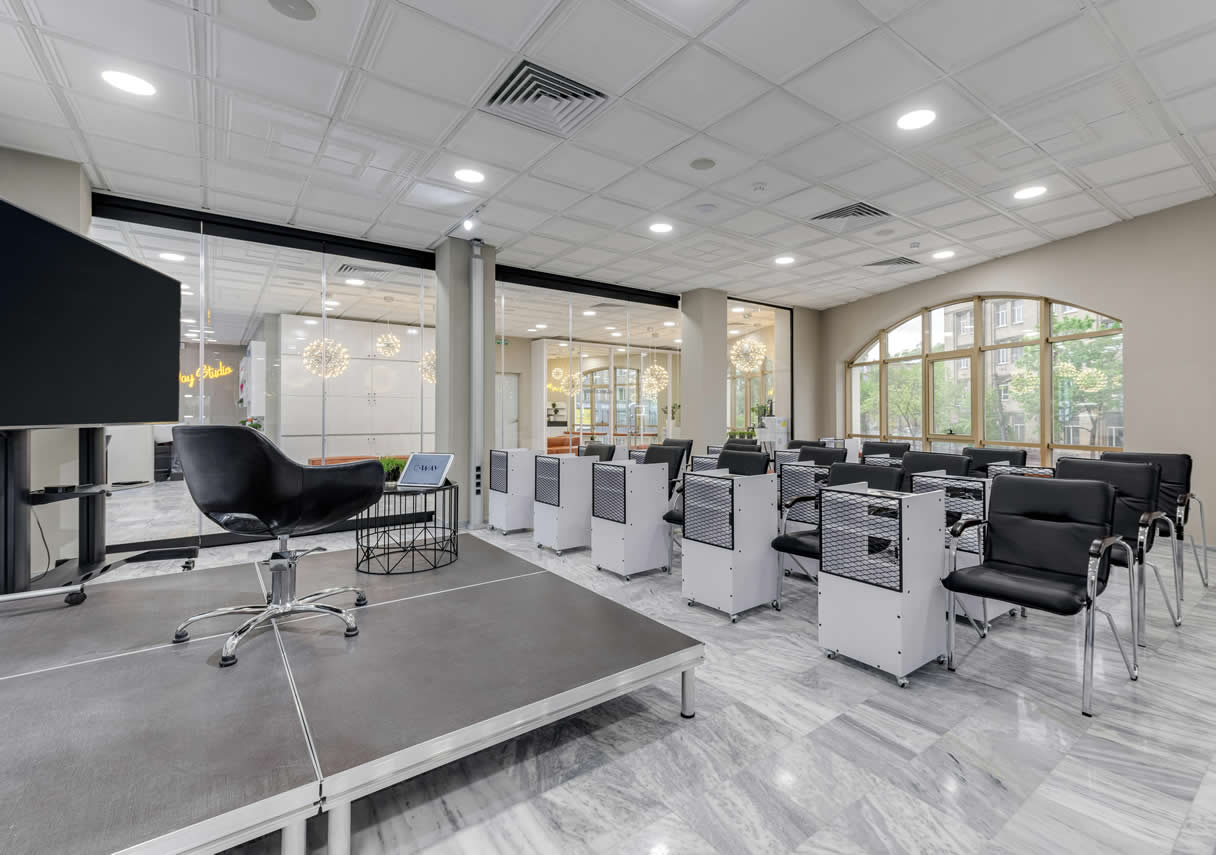
A suspended ceiling system provides major financial advantages through its initial affordability and ongoing cost savings compared to traditional ceiling installations.
Long-Term Savings
Suspended ceiling systems reduce maintenance and repair expenses significantly. The modular design allows quick access to pipes, wiring and ductwork without damaging the ceiling structure.
These ceilings cut energy costs by creating an insulating air pocket between the original ceiling and suspended panels. This extra layer helps regulate temperature and reduces heating and cooling needs.
The tiles are easy to clean, and individual panels can be replaced when damaged, eliminating the need for extensive repairs. This targeted maintenance approach keeps long-term costs low.
Lower Initial Installation Cost
Drop ceiling installation costs less than traditional plaster or drywall ceilings. The lightweight materials and simple grid system require fewer labour hours to install.
The materials themselves are more affordable than solid ceiling alternatives. Many ceiling tile options provide excellent value while maintaining professional appearance.
Installation can often be completed without disrupting business operations, preventing costly downtime. The modular nature also means repairs or changes can be made quickly with minimal expense.
Enhanced Functional Space
Suspended ceilings play a vital role in managing sound and creating comfortable environments in commercial buildings. The extra space between the structural ceiling and suspended system provides room for essential building services whilst improving acoustics.
Improved Acoustics for Public Spaces
Suspended ceiling systems absorb sound waves and reduce noise transmission between floors and rooms. The acoustic tiles help minimise echoes and reverberation in large open spaces.
Sound control is especially important in commercial environments like offices where concentration and communication are essential. The ceiling panels can reduce noise from:
- HVAC systems and ductwork
- Foot traffic from floors above
- Conversations in adjacent spaces
- Equipment and machinery
Warehouses and car dealerships benefit significantly from suspended ceilings' acoustic properties when creating office areas within large open spaces. The sound absorption helps maintain privacy between different functional zones.
For meeting rooms and private offices, suspended ceilings with high-performance acoustic tiles can achieve up to 90% sound absorption, creating focused work environments.
Frequently Asked Questions

Suspended ceilings create adaptable commercial spaces with noise control, thermal benefits, and easy access to building services. These systems enhance workplace comfort while meeting essential safety and maintenance requirements.
Why are suspended ceilings commonly installed in office environments?
Drop ceiling systems offer a clean, professional appearance that suits modern office spaces. They create a minimum drop of 100mm from the original ceiling structure.
These installations help manage the visual impact of pipes, ductwork, and cables while maintaining a polished look throughout the workplace.
What advantages do suspended ceilings offer in terms of design flexibility?
The modular nature of suspended ceilings allows for easy customisation and future modifications. Different tile styles, colours, and textures can match specific brand aesthetics or interior design schemes.
The grid system makes it simple to incorporate lighting fixtures, air diffusers, and other ceiling-mounted elements.
How do suspended ceilings contribute to energy efficiency in commercial settings?
Thermal insulation properties help regulate indoor temperatures by creating an air buffer zone between the suspended ceiling and structural ceiling.
Special ceiling tiles with enhanced thermal characteristics reduce heat transfer and lower energy costs for heating and cooling.
In what ways do suspended ceilings improve acoustic performance in commercial properties?
Acoustic ceiling tiles absorb sound waves and reduce echo in busy office environments. This creates a more comfortable working atmosphere by minimising noise distractions.
The space above the suspended ceiling acts as an additional sound barrier, limiting noise transfer between floors.
Can suspended ceilings offer benefits for maintaining building services in commercial premises?
The void space above suspended ceilings provides easy access to electrical wiring, plumbing, and HVAC systems.
Removable tiles allow maintenance teams to quickly address issues without causing major disruption to the workspace.
What fire resistance advantages do suspended ceilings provide for commercial spaces?
Fire-rated ceiling tiles help contain flames and slow fire spread between floors. The ceiling system creates a protective barrier for structural elements above.
Many suspended ceiling materials meet strict fire safety regulations for commercial buildings.